生物質直接燃燒發電生物質直接燃燒發電技術是指利用生物質燃燒后的熱能轉化為蒸汽進行發電,在原理上,與燃煤火力發電沒有什么區別。其原理是將儲藏在生物質中的化學能通過在特定蒸汽鍋爐中燃燒轉化為高溫、高壓蒸汽的內能,再通過蒸汽輪機轉化為轉子的動能,通過發電機轉化為清潔的電能。直接燃燒發電是將生物質在鍋爐中直接燃燒,生產蒸汽帶動蒸汽輪機及發電機發電。生物質直接燃燒發電的關鍵技術包括生物質原料預處理、鍋爐防腐、鍋爐的原料適用性及燃料效率、蒸汽輪機效率等技術。
Biomass direct combustion power generation technology refers to the use of thermal energy from biomass combustion to convert into steam for power generation. In principle, it is no different from coal-fired power generation. The principle is to convert the chemical energy stored in biomass into internal energy of high-temperature and high-pressure steam through combustion in a specific steam boiler, then convert it into kinetic energy of the rotor through a steam turbine, and convert it into clean and efficient electrical energy through a generator. Direct combustion power generation refers to the direct combustion of biomass in a boiler to produce steam and drive a steam turbine and generator to generate electricity. The key technologies for biomass direct combustion power generation include biomass raw material pretreatment, boiler anti-corrosion, boiler raw material applicability and fuel efficiency, steam turbine efficiency, and other technologies.
生物質氣化發電生物質氣化發電技術是把生物質轉化為可燃氣體再利用可燃氣體,燃氣發電設備進行發電。其原理是將儲藏在生物質中的化學能通過在特定氣化爐中燃燒轉化為可燃氣體,再通過燃氣機發電系統轉化為清潔的電能。生物質氣化發電技術是指生物質在氣化爐中轉化為氣體燃料,經凈化后直接進入燃氣機中燃燒發電或者直接進入燃料電池發電。氣化發電的關鍵技術之一是燃氣凈化,氣化出來的燃氣都含有一定的雜質,包括灰分、焦炭和焦油等,需經過凈化系統把雜質除去,以保證發電設備的正常運行。
Biomass gasification power generation technology is the process of converting biomass into combustible gas and reusing combustible gas to generate electricity through gas powered power generation equipment. The principle is to convert the chemical energy stored in biomass into combustible gas through combustion in a specific gasifier, and then convert it into clean and efficient electricity through a gas turbine power generation system. Biomass gasification power generation technology refers to the conversion of biomass into gas fuel in a gasifier, which is purified and directly burned in a gas engine for power generation or directly fed into a fuel cell for power generation. One of the key technologies for gasification power generation is gas purification. The gasified gas contains certain impurities, including ash, coke, and tar, which need to be removed through a purification system to ensure the normal operation of the power generation equipment.
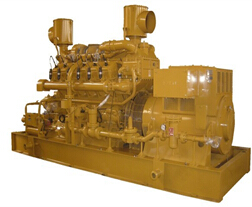
沼氣發電技術是隨著沼氣綜合利用的不斷發展而出現的一項沼氣利用技術,它將沼氣用于發動機上,并裝有綜合發電裝置,以產生電能和熱能,是有效利用沼氣的一種重要方式。沼氣發電是隨著沼氣綜合利用技術的不斷發展而出現的一項沼氣利用技術,其主要原理是利用工農業或城鎮生活中的大量有機廢棄物經厭氧發酵處理產生的沼氣驅動發電機組發電。用于沼氣發電的設備主要為內燃機,一般由柴油機組或者天然氣機組改造而成。沼氣多產生于污水處理廠、垃圾填埋場、酒廠、食品加工廠、養殖場等。
Biogas power generation technology is a biogas utilization technology that has emerged with the continuous development of biogas comprehensive utilization. It uses biogas in engines and is equipped with comprehensive power generation devices to generate electricity and heat, which is an important way to effectively utilize biogas. Biogas power generation is a biogas utilization technology that has emerged with the continuous development of biogas comprehensive utilization technology. Its main principle is to use a large amount of organic waste in industry, agriculture, or urban life to be anaerobic fermented and produce biogas to drive power generation units. The equipment used for biogas power generation is mainly internal combustion engines, which are generally modified from diesel or natural gas units. Biogas is often produced in sewage treatment plants, landfills, distilleries, food processing plants, and livestock farms.
沼氣是在厭氧條件下有機物經多種微生物的分解與轉化作用后產生的可燃性氣體,屬于生物質能的范疇,主要成分是甲烷二氧化碳,其中甲烷含量約為50%~70%,二氧化碳含量為30%~40%(容積比)還有少量的硫化氫、氮、氧、氫等氣體,約占總含量的10%~20%。甲烷在空氣中與火燃燒,轉變為二氧化碳和水,并釋放出能量。沼氣發酵又稱為厭氧消化、厭氧發酵或甲烷發酵,是指有機物質在一定的水分、溫度和厭氧條件下,通過種類繁多、數量巨大且功能不同的各類微生物的分解代謝,形成甲烷和二氧化碳等混合性氣體(沼氣)的復雜生物化學過程。
Biogas is a combustible gas produced by the decomposition and transformation of organic matter under anaerobic conditions by various microorganisms. It belongs to the category of biomass energy and is mainly composed of methane and carbon dioxide. The methane content is about 50-70%, and the carbon dioxide content is 30-40% (volume ratio). There are also small amounts of hydrogen sulfide, nitrogen, oxygen, hydrogen, and other gases, accounting for about 10-20% of the total content. Methane burns with fire in the air, converting into carbon dioxide and water, and releasing energy. Biogas fermentation, also known as anaerobic digestion, anaerobic fermentation or methane fermentation, refers to the complex biological chemical process in which organic matter forms methane, carbon dioxide and other mixed gases (biogas) under certain water, temperature and anaerobic conditions through the catabolism of various microorganisms with various types, large quantities and different functions.
生物質混合燃燒發電是指將生物質原料應用于燃煤電廠中,使用生物質和煤兩種原料進行發電。其原理是將生物質和煤一起在鍋爐中燃燒轉化為高溫、高壓蒸汽的內能,再通過蒸汽輪機轉化為轉子的動能,通過發電機轉化電能。生物質和煤混合燃燒技術可分為直接混燒和氣化利用兩種形式。生物質還可以與煤混合作為燃料發電,稱為生物質混合燃燒發電技術。混合燃燒方式主要有兩種。一種是生物質直接與煤混合后投入燃燒,該方式對于燃料處理和燃燒設備要求較高,不是所有燃煤發電廠都能采用;一種是生物質氣化產生的燃氣與煤混合燃燒,這種混合燃燒系統中燃燒,產生的蒸汽一同送入汽輪機發電機組。
Biomass mixed combustion power generation refers to the application of biomass raw materials in coal-fired power plants, using both biomass and coal for power generation. The principle is to burn biomass and coal together in a boiler and convert them into internal energy of high-temperature and high-pressure steam, which is then converted into kinetic energy of the rotor through a steam turbine, and converted into electrical energy through a generator. The mixed combustion technology of biomass and coal can be divided into two forms: direct mixed combustion and gasification utilization. Biomass can also be mixed with coal as a fuel for power generation, known as biomass mixed combustion power generation technology. There are two main methods of mixed combustion. One method is to directly mix biomass with coal and put it into combustion. This method requires high requirements for fuel treatment and combustion equipment, and not all coal-fired power plants can adopt it; One type is the mixed combustion of gas and coal generated from biomass gasification. In this mixed combustion system, the generated steam is sent together to the steam turbine generator set.
(1)遵守“以熱定電,熱電聯產”原則。由于該市工業和采暖熱負荷較大,根據熱負荷特點,并從保證投資效益的角度來考慮,裝機方案應在滿足近期熱負荷需求的基礎上,結合該市遠期熱負荷規模及電力負荷需求的規劃來確定,實現熱電聯產和集中供熱的目的。
(1) Adhere to the principle of "electricity determined by heat, cogeneration". Due to the large industrial and heating load in the city, based on the characteristics of the heat load and from the perspective of ensuring investment efficiency, the installation plan should be determined based on meeting the recent heat load demand, combined with the planning of the city's long-term heat load scale and power load demand, to achieve the purpose of cogeneration and centralized heating.
(2)為了保證供熱的安全可靠,應盡量使機組的容量和臺數趨于合理,以避免在停運大一臺機組時對供熱產生過大影響。
(2) In order to ensure the safety and reliability of heating, it is necessary to try to make the capacity and number of units more reasonable to avoid excessive impact on heating when a larger unit is shut down.
(3)為提高熱電廠的效率,主機設備應選用較高的初參數。
(3) To improve the efficiency of thermal power plants, higher initial parameters should be selected for the main equipment.
3生物質發電未來前景展望
Prospects for the Future of Biomass Power Generation
隨著生物質能發電產業競爭的不斷加劇,大型生物質能發電企業間并購整合與資本運作日趨頻繁,國內優秀的生物質能發電企業愈來愈重視對行業市場的研究,特別是對企業發展環境和客戶需求趨勢變化的深入研究。正因為如此,一大批國內優秀的生物質能發電企業迅速崛起,逐漸成為生物質能發電產業中的翹楚!
With the continuous intensification of competition in the biomass power generation industry, mergers and acquisitions and capital operations among large biomass power generation enterprises are becoming increasingly frequent. Excellent domestic biomass power generation enterprises are increasingly paying attention to research on the industry market, especially in-depth research on the development environment of enterprises and changes in customer demand trends. Because of this, a large number of excellent domestic biomass power generation enterprises have rapidly risen and gradually become leaders in the biomass power generation industry!
同時,發展生物質發電,實施煤炭替代,可顯著減少二氧化碳和二氧化硫排放,產生巨大的環境效益。與傳統化石燃料相比,生物質能屬于清潔燃料,燃燒后二氧化碳排放屬于自然界的碳循環,不形成污染。據測算,運營1臺2.5萬kW的生物質發電機組,與同類型火電機組相比,可減少二氧化碳排放約10萬t/a。前瞻網《2013-2017年生物質能發電行業深度調研與投資戰略規劃分析報告》預測,到2025年之前,可再生能源中,生物質能發電將占據主導地位。未來,利用生物質再生能源發電已經成為解決能源短缺的重要途徑之一。
At the same time, developing biomass power generation and implementing coal substitution can significantly reduce carbon dioxide and sulfur dioxide emissions, generating huge environmental benefits. Compared with traditional fossil fuels, biomass energy is a clean fuel, and carbon dioxide emissions after combustion belong to the carbon cycle of nature, which does not form pollution. According to calculations, operating one 25000 kW biomass power generation unit can reduce carbon dioxide emissions by approximately 100000 t/a compared to similar thermal power units. According to the "2013 2017 China Biomass Power Generation Industry Deep Research and Investment Strategy Planning Analysis Report" by Qianfeng Network, biomass power generation will occupy a dominant position in renewable energy by 2025. In the future, utilizing biomass renewable energy for power generation has become one of the important ways to solve energy shortages.
 全國服務熱線:
 濟南濟柴環能燃氣發電設備有限公司